 DESCARGA


Walden, and On The Duty Of Civil Disobedience
Synopsis
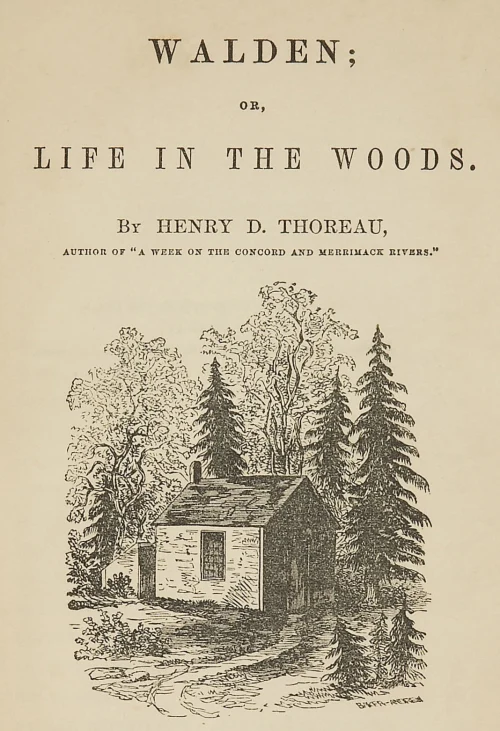
Henry David Thoreau’s Walden and On the Duty of Civil Disobedience presents a philosophical reflection on how to live deliberately while confronting the moral demands of society. Drawing on his personal experience of spending two years in solitude in a self-built dwelling by Walden Pond, Thoreau argues for self-sufficiency and a plain way of life supported by manual labor and direct contact with nature. He observes how others react to his choice and critiques the pressures that can lead people into lives of resignation rather than examined purpose. Throughout, he challenges materialism and inherited possessions, urging readers to reassess what is truly necessary and to follow individual conscience, including civil disobedience when laws are unjust.